
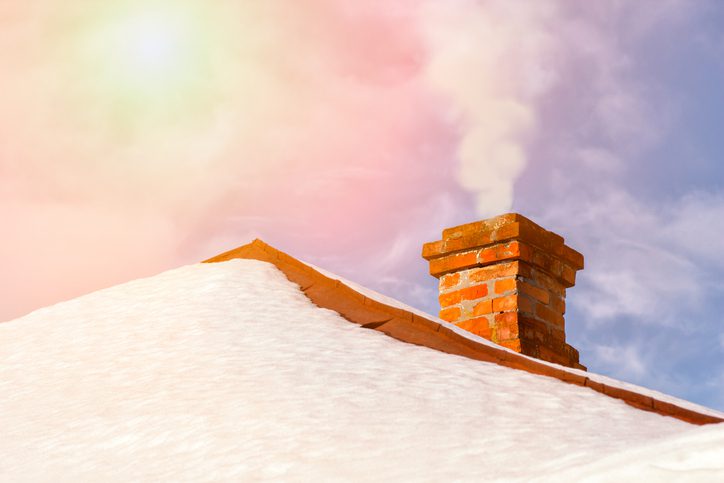
New Hampshire’s weather is a relentless stress test for your chimney: freezing cold, snowy winters followed by wet muddy springs and hot summers with torrential downpours. Your chimney’s masonry is under constant attack. The state’s erratic, extreme weather makes chimney maintenance essential for New Hampshire homeowners, especially because a failure in your system may mean you lose heat when you need it most.
1. The Freeze/Thaw Cycle
In New Hampshire, a 40 degree afternoon can plummet to 10 degrees by midnight. One day you may be bundled up in layers and the next you can be outside wearing shorts. This freeze/thaw cycle is rough on masonry.
Bricks and mortar are porous and act like sponges. During a January thaw or a rainy March day, moisture seeps into those pores. When the temperature drops, that water freezes and expands, which puts pressure on your bricks. This can lead to cracks, spalling and loosening of your mortar. The longer you let cracks go untreated, the greater your risk of chimney failure down the road.
2. Creosote Build-Up
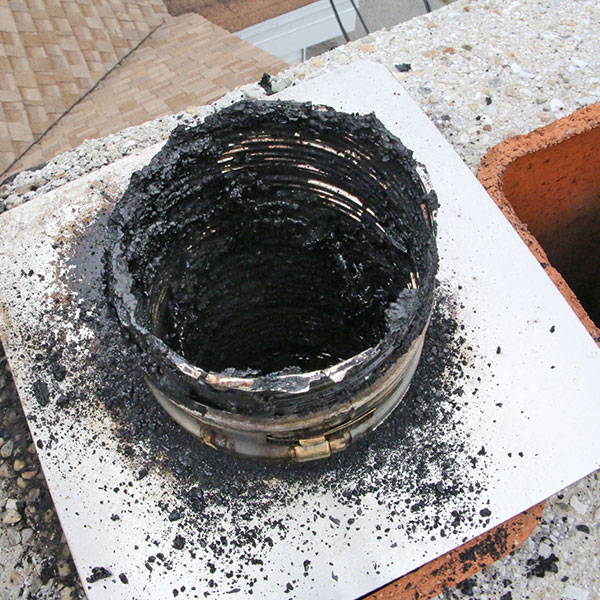
Because our winters are long, New Hampshire homeowners often burn wood for months on end. This leads to the accumulation of creosote, a highly flammable byproduct of combustion. If you aren’t burning “seasoned” wood (wood dried for at least 6 months), you’re creating even more of this gunk.
If your creosote builds up to a dangerous level, a single spark can set your flue on fire, which may spread to your attic or walls and endanger the safety of your home and family. Annual inspections and cleanings are a “must” to keep your creosote levels in check.
3. Ice Dams and Chimney Flashing
New Hampshire is famous for ice dams: ridges of ice that form at the edge of the roof. When heat escapes from your home (often around the chimney structure), it melts the snow on the roof. That water flows down until it hits the cold eaves, where it refreezes.
This ice can back up under your chimney flashing, which is the metal seal between your roof and the bricks. Once that seal is compromised, water can pour into your attic, ruining insulation and rotting the wood framing around your chimney.
4. Uninvited Guests
New Hampshire is a heavily forested state which means there are lots of critters around. Squirrels, raccoons, birds, and other animals may see your chimney as a safe, warm alternative to the woods. Nests create a risk of fire and blockage. If your chimney is clogged, smoke and carbon monoxide can blow back into your home.
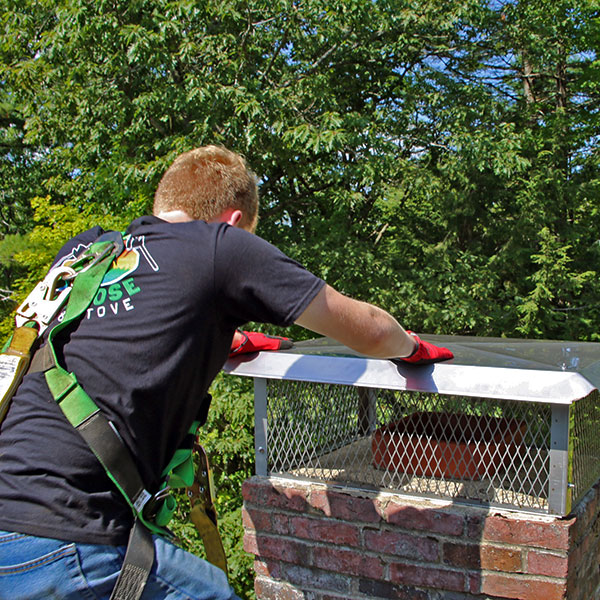
Install a sturdy chimney cap and schedule an annual inspection to make sure no one is making a home inside your chimney.
5. What Should a New Hampshire Homeowner Do?
- Schedule an Annual Inspection: Don’t wait until the fall. Book your annual inspection in the spring or summer to beat the rush.
- Burn Only Seasoned Wood: Seasoned wood is wood that has been drying throughout the year and has a moisture content of 15-25%
- Waterproof Your Masonry: Black Moose recommends getting a professional company to waterproof your chimney with a product like ChimneySaver to reduce water entry.
Want to make sure your chimney is in good shape after a rough winter? Black Moose Chimney are South-Central New Hampshire’s premier chimney professionals. Contact us today to schedule your appointment.