
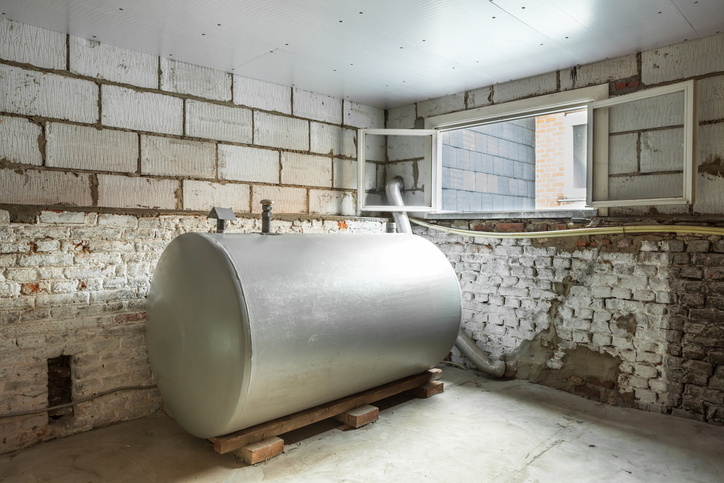
If you pull into almost any neighborhood in New Hampshire as autumn rolls around, you’ll hear a familiar sound: the rumble of a heating oil truck pumping hundreds of gallons of fuel into a basement tank.
New Hampshire homeowners rely heavily on heating oil during the winter. But lately, keeping that tank full has felt like riding a financial rollercoaster.
With oil prices swinging and spiking unpredictability, heating a standard home may cost significantly more this year.
If you are tired of watching global energy markets dictate your monthly budget, there is a time-tested, local solution waiting right outside your door: supplemental wood heat.
Why Supplement Heat Keeps Costs Down
You don’t need to completely rip out your central oil furnace to see massive savings. Using a wood or pellet stove as a supplemental heat source—often called zone heating—allows you to keep your main living spaces warm and toasty while letting your oil thermostat sit at a modest 55°F or 60°F in the rest of the house.
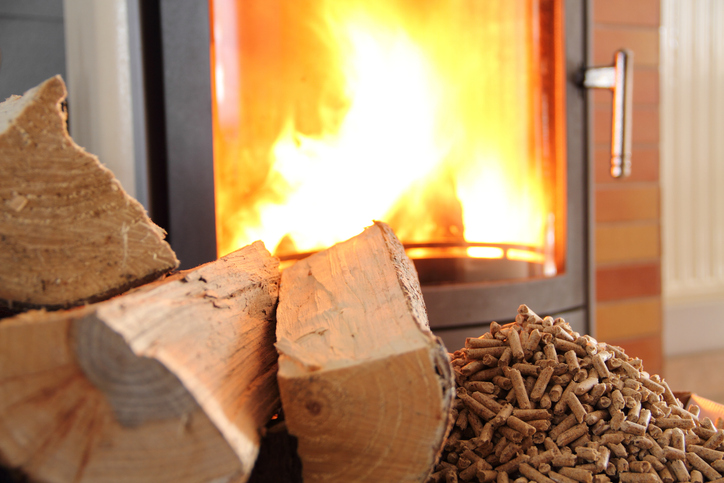
When you look at the numbers, heating with pellets or seasoned cord wood costs can help keep your oil needs in check.
In order to see the most savings from wood heat, you also need to make sure your chimney and fireplace are clean and in proper working order. A dirty or malfunctioning chimney reduces efficiency and can eat through wood faster, costing you more.
Make sure you are squeezing the most value out of your wood fuel. Schedule an appointment with Black Moose today!
Beyond the Dollars: Why Wood Makes Sense in New hampshire
1. The “Power Outage” Peace of Mind
New Hampshire winters are notorious for nor’easters and ice storms that can knock out the electrical grid for days. If the power goes out, your oil boiler goes out too, since its pumps and electronic igniters require electricity. A traditional cord wood stove requires zero electricity to keep your family warm and your pipes from freezing.
2. Supporting the Local Economy
When you buy heating oil, your money leaves New Hampshire and often leaves the country. When you buy a cord of wood from a local logger or a pallet of pellets manufactured in New England, your dollars support local jobs and sustainable forestry management.
3. High-Efficiency Technology Has Changed
If you are picturing the smoky, drafty wood stoves of the 1970s, it’s time to take another look. Modern, EPA-certified wood and pellet stoves use secondary combustion technology to burn off gasses and particulates before they ever leave the firebox. This means you get more heat out of every log and drastically less smoke up the chimney.
How to Get Started This Season
If you are ready to take control of your utility bills, transitioning to supplemental wood heat requires a bit of prep work.
1. Choose Your Fuel Source: Cord Wood vs. Pellets.
Decide whether you want the hands-on, off-grid reliability of cord wood (requires physical stacking and manual feeding) or the automated convenience of pellets (fed via an electric auger, less physical labor).
2. Consult a Professional Installer: Safety First.
Have a certified professional assess your home’s layout, determine proper clearance from combustible walls, and map out your chimney lining or venting requirements to ensure compliance with NH building codes.
3. Check for Rebates and Credits: Offset Upfront Costs.
Look into local utility incentives and federal tax credits. Programs frequently offer financial incentives for upgrading old, inefficient wood setups to clean-burning, EPA-certified biomass appliances.
4. Secure Your Winter Supply Early: Beat the Fall Rush.
Don’t wait until November. Order your seasoned cord wood or pellets by mid-summer. This ensures your fuel is properly dried and guarantees you beat the inevitable price hikes and delivery backlogs that happen when the first frost hits.
A Quick Tip on “Seasoned” Wood: If you choose a cord wood stove, ensure the wood has a moisture content below 20%. Burning wet wood wastes energy (as the fire has to boil off the water before creating heat) and causes dangerous creosote buildup in your chimney.
The unpredictability of oil prices isn’t going away anytime soon. By introducing a wood or pellet stove into your New Hampshire home, you aren’t just saving money—you are buying independence, supporting your neighbors, and ensuring your family stays cozy no matter what happens to the energy market. Contact Black Moose today to begin your wood heat journey!